Whether you’re embracing the fresh start of the New Year or seeking to realign your financial goals mid-year, creating a budget is a crucial step towards securing your financial future. In this guide, we’ll walk you through five simple yet effective steps to help you craft a budget tailored to your financial goals and priorities. Now is the time to take control of your finances and pave the way for lasting financial success.
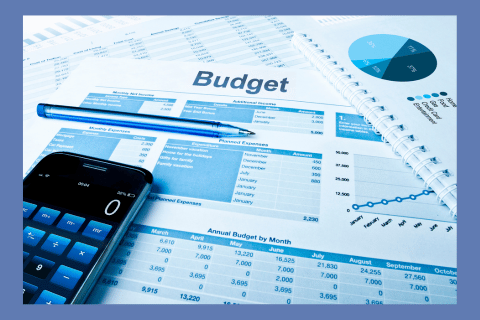
The first step in creating a budget is to determine your total monthly income after taxes. This includes all sources of income such as wages, salaries, bonuses, and any other forms of earnings. By identifying all sources of revenue, you gain a comprehensive understanding of your financial inflow, empowering you to make informed decisions about budget allocations and savings goals.
Next, identify your fixed expenses – those that remain consistent each month, such as rent or mortgage payments, utilities, insurance premiums, and loan payments. These expenses provide a predictable foundation for your budget. Then, determine your variable expenses – those that fluctuate from month to month, such as groceries, entertainment, dining out, and discretionary spending. Understanding these categories helps you allocate your resources wisely and plan for both the essentials and the extras in your budget.
Once you’ve identified your income and expenses, it’s time to set specific savings and debt payoff goals based on your financial priorities. Whether your aim is to build an emergency fund for unexpected expenses, pay off lingering debts, or save for a significant purchase, defining specific goals provides a roadmap for your financial journey. These targets not only serve as motivational milestones but also keep you focused and disciplined in managing your finances effectively.
To effectively manage your budget, track your spending by recording all purchases and expenses throughout the month. Recording your spending is a key aspect of budget management. By diligently tracking every purchase and expense throughout the month, you gain valuable insight into your financial habits and where your money is going. This can be accomplished through various methods, such as manually inputting transactions into a spreadsheet or budgeting app, or taking advantage of the convenience of online banking tools that automatically categorize your transactions. By staying aware of your spending patterns, you can make informed decisions about where to cut back and where to allocate more resources, ultimately helping you achieve your financial goals.
Finally, it’s important to regularly review your budget and monitor your progress towards achieving your savings and debt reduction objectives. Be prepared to make adjustments as needed to ensure that your budget remains realistic and aligned with your financial objectives. By staying vigilant about your spending habits and making timely revisions, you’ll maintain momentum towards achieving your financial aspirations. Remember, flexibility and adaptability are key to long-term financial stability and success.
Creating a budget is a powerful tool for taking control of your finances and achieving your long-term financial goals. By following these five simple steps – calculating your income, identifying expenses, setting goals, recording spending, and tracking progress – you’ll be well-equipped to start the New Year on the right financial footing. With discipline, dedication, and a commitment to financial planning, you can create a budget that sets you up for success and helps you achieve financial freedom in the year ahead.
To support you on your financial journey, Metco Credit Union offers access to SavvyMoney. Explore personalized financial assessments, expert budgeting tips, and more—all aimed at empowering you to achieve financial success. Discover the benefits of SavvyMoney today and take control of your financial future with confidence!