By Regan Carlo, VP of Operations
Planning a home improvement project is exciting. Whether you’re remodeling your kitchen, replacing your roof, or finally finishing the basement, upgrades can increase both your home’s value and your enjoyment of it.
Unfortunately, home improvement projects are also a prime target for scams—especially during peak construction seasons or after major storms. Before you sign a contract or hand over a deposit, it’s important to know what to watch for.
Let’s walk through the most common home improvement scams — and how to protect yourself.
Be cautious if someone shows up uninvited offering repair services — especially after severe weather.
Common red flags include:
Legitimate contractors rarely demand immediate decisions or full payment before work begins.
While deposits are common, be wary of contractors who require a significant percentage (or full payment) upfront.
A reasonable deposit is typical. Demanding most or all of the money before work begins can be a warning sign.
Protect yourself by:
Always verify that your contractor is properly licensed and insured (if required in your state). Ask for proof and don’t hesitate to confirm credentials.
Hiring uninsured contractors can leave you financially responsible if something goes wrong.
If the agreement lacks detail, that’s a problem.
Your contract should clearly outline:
Remember: If it’s not in writing, it doesn’t exist.
If one estimate is dramatically lower than the others, ask why.
Scammers often use low bids to secure the job, then:
Before starting a home improvement project:
Taking your time upfront can save thousands of dollars — and a lot of stress — later.
Once you’ve chosen a reputable contractor, the next step is deciding how to pay for the project.
Many homeowners turn to high-interest credit cards or contractor financing offers without exploring other options. But using your home’s equity can sometimes be a more cost-effective solution.
Home equity products allow you to borrow against the value you’ve built in your home. Depending on your needs, you may choose:
Both options may offer lower interest rates compared to unsecured borrowing, helping you manage costs more effectively.
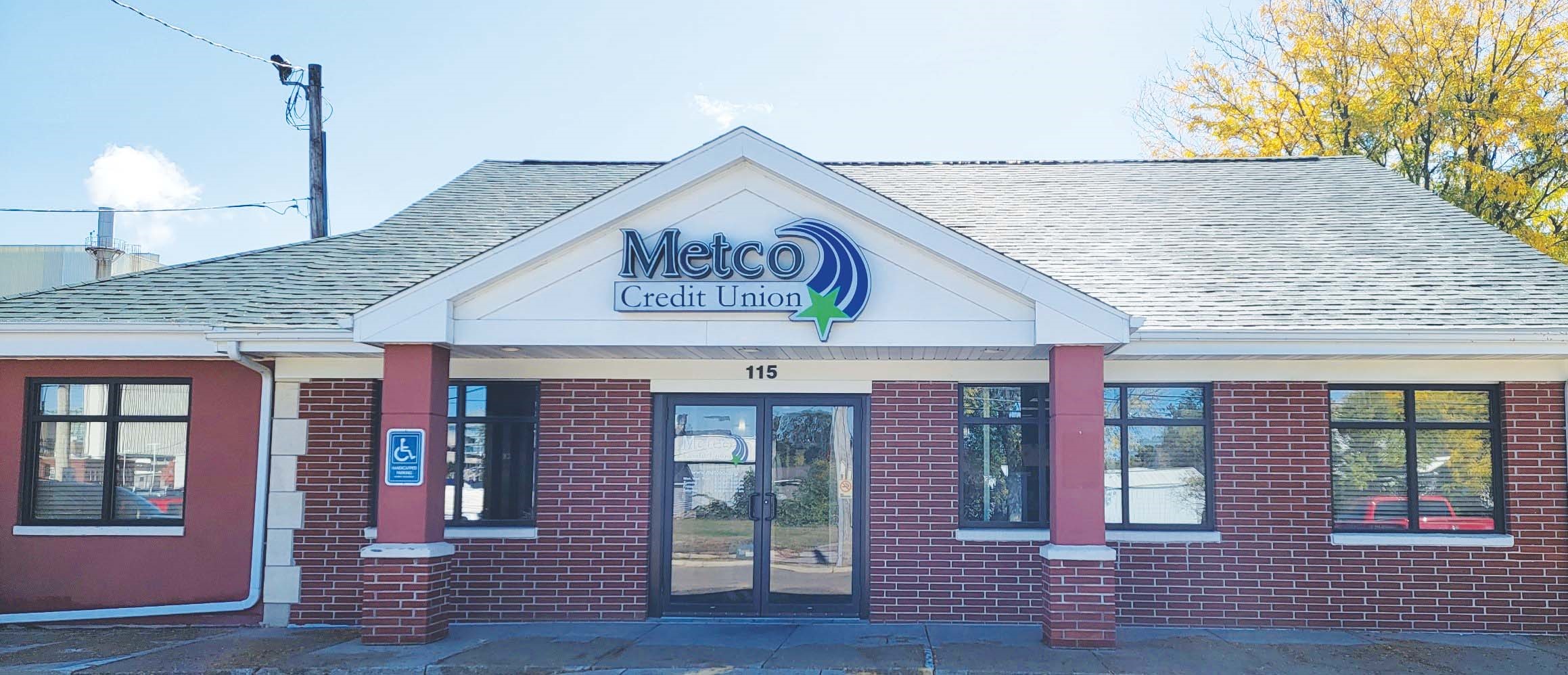
At Metco Credit Union, we believe financial decisions should be informed and confident—not rushed.
If you’re planning a home improvement project, our team can help you:
We’re here to answer questions and help you make a decision that supports your long-term financial goals.
Home improvements can add beauty, comfort, and value to your home — but only when done safely and responsibly.
By staying alert to common scams and choosing smart financing options, you can move forward with confidence.
If you’re considering using your home’s equity for an upcoming project, Metco Credit Union is here to help you explore your options. Contact us to learn more.